

Who this is for, what’s bothering you, and how we help
This is for remote knowledge workers, founders, creative professionals, and team leads who feel distracted, mentally foggy, or stuck in low-productivity loops at home. You’re frustrated by constant interruptions, Zoom fatigue, and the sense that your best cognitive work just won’t show up reliably. Our network of coworking spaces uses neuroscience-informed layouts, quiet-focus zones, and structured social rhythms to help restore mental clarity, sharpen focus, and protect memory — without being salesy. If this feels overwhelming, our team can set up a trial week and handle the logistics so you can test the brain benefits before committing.
How do coworking spaces actually improve cognitive function and focus?
Short answer: they change your brain’s context. Long answer: when you move into a thoughtfully designed coworking space your brain stops treating work like a scattershot activity and starts recognizing environmental cues for focused effort.
Here are 5 mechanisms that explain why you’ll likely feel sharper fast:
- Context-dependent attention – the body and brain link specific environments to task types. Sit at a dedicated desk and your prefrontal cortex gets the memo.
- Social facilitation – low-pressure presence of others increases motivation (not competition), which raises effort and sustained attention.
- Reduced cognitive load – shared infrastructure (fast Wi-Fi, printers, good lighting) removes small decisions that drain mental energy.
- Neuromodulation from novelty – new sights, small social interactions, and varied spaces boost dopamine just enough to aid learning and working memory.
- Built-in recovery – quality coworking spaces offer quiet rooms, greenery, and micro-break zones that lower cortisol and restore focus.
What practical steps can you take inside a coworking space to boost productivity?
So here’s the thing about coworking – it’s not magic. You have to use it smartly. Try this simple, repeatable routine over 2 weeks and watch what happens.

- Morning ritual: arrive, set 3 priorities (no vague to-dos), do a 5-minute breathing exercise (we provide guided audio), then start your first 90-minute deep work block.
- Work blocks: use 90-minute focus blocks for creative work, or 50-minute blocks with a 10-minute movement break for analytical tasks.
- Environment match: use quiet rooms for writing, semi-open areas for calls, and communal tables for brainstorming (so you get novelty without distraction).
- Nutrition & hydration: drink 500 ml of water in the first hour, have a protein-rich snack at midday, limit caffeine after 2 pm to protect sleep and memory consolidation.
- End-of-day closure: jot three wins, log 1 thing to do tomorrow, then leave. That closure reduces overnight rumination (which kills next-day clarity).
Which design features in a coworking space most directly support brain health?
Look for these. Seriously, these matter more than a fancy coffee bar.
- Plenty of natural light and adjustable task lighting (helps circadian rhythm and alertness).
- Acoustic zoning and sound masking (so you get café energy without attention-sapping noise).
- Greenery and biophilic elements (plants improve mood and working memory performance).
- Ergonomic furniture and standing-desk options (reduces physical fatigue that drags on cognition).
- Dedicated focus rooms and short-rest pods (20-minute nap pods are ideal for memory consolidation).
- Clear visual wayfinding and color palettes that minimize overstimulation (soft blues and greens are calming).
What neurological benefits should you expect — and when?
Short-term changes can be surprising. In my experience, people report clearer thinking within 3 days and consistently better focus after 2 weeks when they follow a disciplined routine. Here’s what the brain is doing:
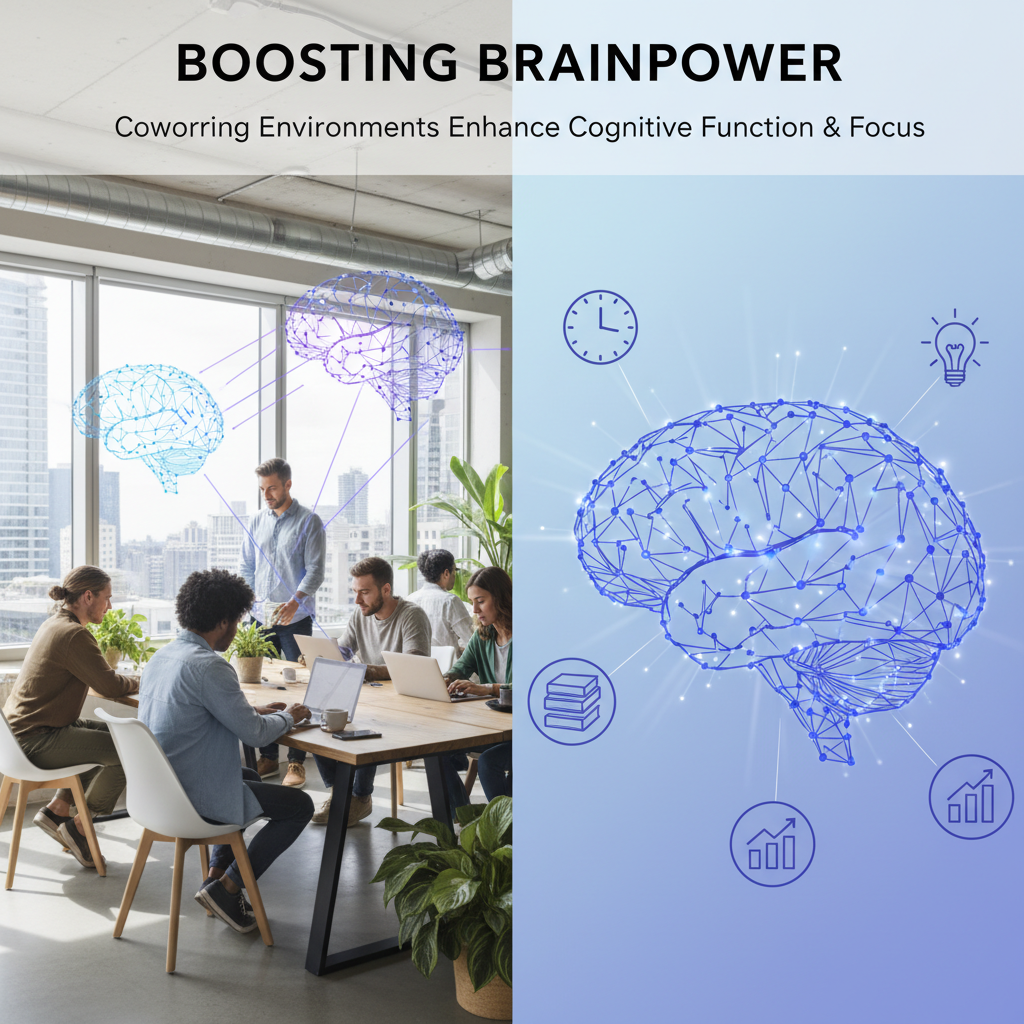
- Immediate – higher tonic dopamine from novelty and social context, which improves motivation and short-term attention.
- Days to weeks – lower baseline stress markers (less cortisol) because of better recovery and fewer decision points, which improves working memory.
- Weeks to months – improved sleep routines and consistent focused practice can strengthen neural pathways for sustained attention and task switching efficiency.
Why? Because repetition in a supportive environment boosts neuroplasticity. It sounds clinical, but basically your brain learns the “work mode” faster when the environment reinforces it, day after day.
How to choose a coworking membership for maximum brain benefits
Pick memberships that prioritize design and routines over community events alone. Ask these 6 questions when touring a space:
- Does the space offer multiple work zones (quiet, semi-open, collaboration)?
- Is there access to natural light and outdoor areas?
- Are there short-rest options, like nap pods or meditation rooms?
- What’s the average noise level during peak hours (ask for a decibel estimate or to sit during the busiest hour)?
- Do they host structured focus sessions or accountability groups?
- Can you trial for 1 week or less to run your own productivity experiment?
How managers can use coworking to boost team cognitive performance
Look, managers: sending people to coworking spaces isn’t a perk, it’s a strategic move if you want sharper output. Start with a 4-week pilot for a 5-person team. Set clear metrics: number of deep-work hours, task completion, and subjective focus ratings (1-10). Pair members once a week for co-focus sessions and measure changes. If productivity rises and churn lowers, expand the program. (Yes, it’s that straightforward.)

Common Questions
Does coworking actually improve memory and mental clarity?
Short answer: yes, it can. Memory and clarity improve when you reduce stress, increase focused practice, and give the brain predictable cues for work. Coworking offers those cues plus restorative places that support consolidation (like short naps and low-stimulation rooms).
How long before I notice real benefits?
Expect some improvement within 3 days, clearer patterns after 2 weeks, and durable changes over 6 to 8 weeks if you use the space consistently and follow structured focus practices.
Are there any downsides to coworking for cognition?
Potentially. If you pick a poorly managed space with constant interruptions, you’ll lose focus and waste time. Also, personality matters — extreme introverts may need more quiet rooms. The fix is simple: trial different zones, set clear arrival/departure rituals, and use noise-cancelling headphones when needed.
Can our team try this without disrupting workflows?
Yes. Run a time-boxed pilot, pick 1 to 2 days a week, and set clear expectations about meeting availability. Our experience shows that teams often get more done in fewer hours when they treat coworking days as deep-work days.
Final practical checklist
Try these three quick actions this week:
- Book a 1-week trial at a coworking space with focus rooms.
- Use 90-minute deep-work blocks in the morning and a 20-minute nap or walk after lunch.
- Track subjective focus (1-10) daily for 14 days and compare to your home baseline.
Look, this isn’t a silver bullet, but it’s close. The truth is, environment shapes cognition more than most people realize. If you want help designing a pilot or measuring the results, our team can set it up and run the first 2-week trial for you (we handle bookings, member onboarding, and focus-session facilitation). Ready to test it? Let’s get you clarity, focus, and better brain health — one good workspace at a time.