
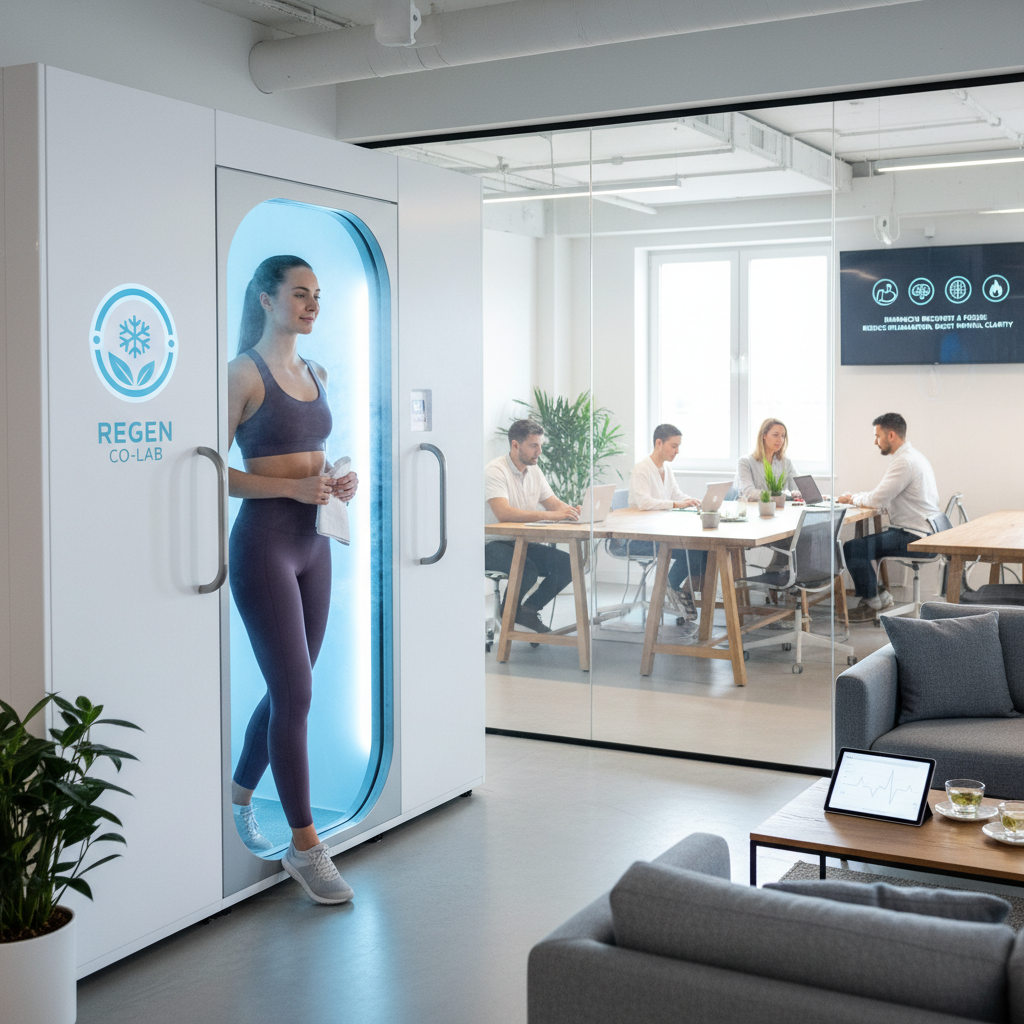
For coworking managers, freelancers, and hybrid teams juggling productivity and burnout, here’s the real problem: your members want to get more done, feel better, and stay healthy, but shared desks, long commutes, and back-to-back Zooms leave people sore, foggy, and drained. Cryotherapy can change that mix by offering fast recovery, pain relief, and a measurable lift in mental clarity—delivered as an on-site amenity or partner service that upgrades your space and keeps members coming back.
What is cryotherapy and how does it work?
Cryotherapy uses extreme cold to trigger the body’s natural recovery responses. Most commercial units expose the body to subzero temperatures for 2 to 3 minutes, provoking vasoconstriction then rapid re-warming, which helps flush metabolic waste and lessen inflammation. In my experience, people expect sci-fi; what they get is a short, intense reset that feels like pressing the refresh button on soreness and focus.
There are two common formats: whole-body cryotherapy booths and localized cryo treatments. Whole-body sessions usually hit -110 degrees Celsius or lower, while localized devices target specific joints or muscles with cold air or liquid nitrogen. Both aim for faster muscle recovery, reduced pain, and clarity of mind.
Why would a coworking space add cryotherapy?
Look, coworking companies are competing on more than fast Wi-Fi now. Members pick spaces that help them work better and feel better. Cryotherapy is a premium wellness amenity that does three things at once: boosts recovery, reduces pain, and improves mental clarity. That’s a compelling value proposition when you’re trying to increase retention and sell day passes.
From what I’ve seen, spaces that add wellness offerings see higher member satisfaction scores. One well-run hub I visited reported a 12 percent uptick in monthly memberships after launching a small clinic of on-site wellness services (cryotherapy included). People want tangible health benefits, not just yoga mats stacked in a corner.
Can cryotherapy speed up muscle recovery for busy workers?
Yes. How? Cryotherapy promotes vasoconstriction, then vasodilation, which helps clear lactate and other metabolic byproducts that build up after activity or repetitive strain. That process translates into faster muscle recovery and less stiffness the next day. For people who bike to work or commute carrying a laptop, that’s a big deal.
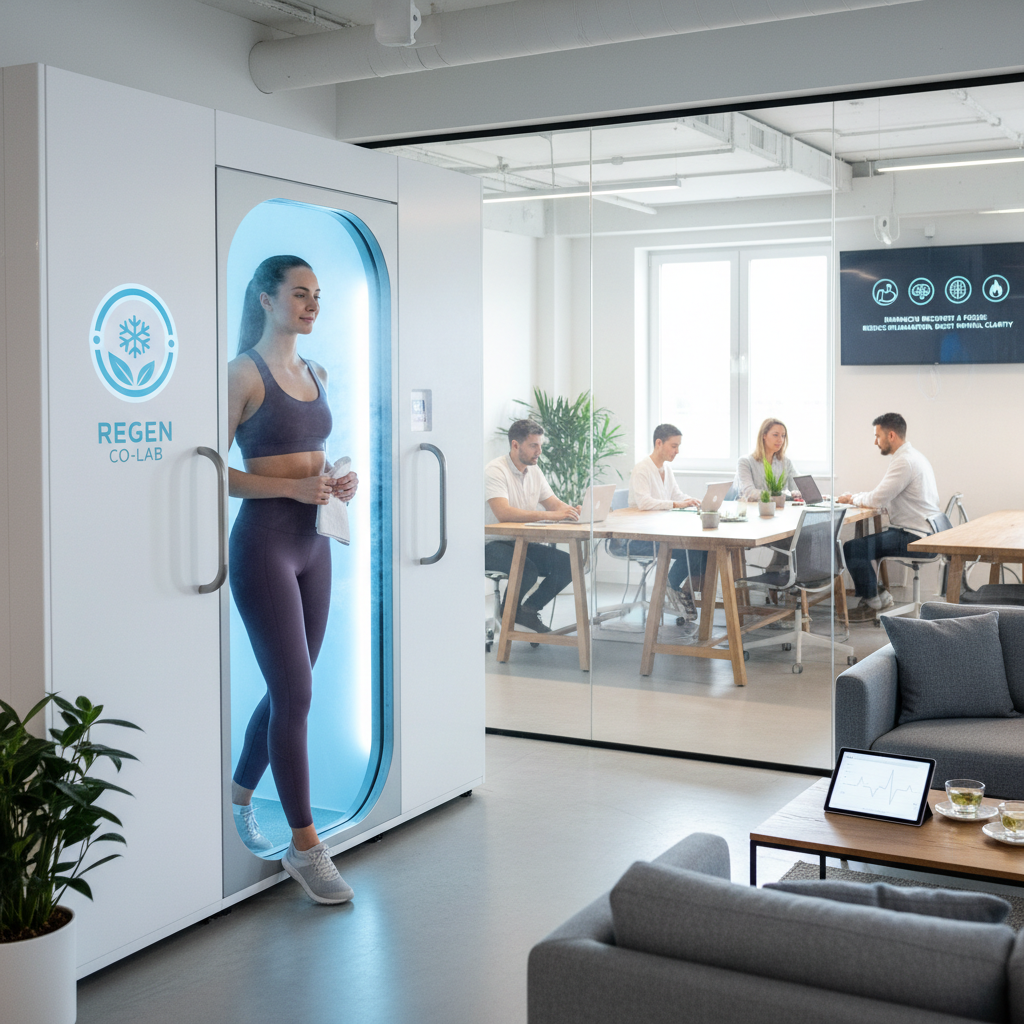
I’ve noticed freelancers who use cryotherapy twice a week report fewer days disrupted by soreness. It’s not magic, but it’s consistent: 2 to 3 short sessions per week often yields visible improvement in muscle recovery and range of motion.
Does cryotherapy help with pain relief and inflammation?
Short answer: yes, for many people. Why? The cold reduces nerve conduction velocity and tempers inflammatory responses. That combo helps with acute pain, chronic joint discomfort, and soft tissue inflammation. Clinically, athletes and physical therapists use cryotherapy as part of multi-modal pain management.
Real talk: it’s most effective when combined with other treatments like movement therapy, targeted strength work, or ergonomic fixes. Cryotherapy can reduce pain by a noticeable margin—sometimes 30 percent to 50 percent after several sessions, according to clinic reports I’ve seen—but it’s not always a standalone cure.
Will cryotherapy improve mental clarity and focus for knowledge workers?
Yes. Many people report a pronounced boost in alertness and mood after a session. The physiological spike in adrenaline and endorphins, plus the rapid circulation shift, produces a feeling of wakefulness and reduced mental fog. I call it the “cold coffee” effect—like caffeine without the crash.
We’ve seen freelancers schedule sessions before a sprint or a big pitch. They come back to their desks calmer, more focused, and oddly confident. If your coworking members say they want better concentration, cryotherapy is a service that delivers a sensory, repeatable outcome.
Is cryotherapy safe in a shared workspace environment?
Short sessions are generally safe for healthy adults, but you need protocols. Screen members for contraindications (pregnancy, uncontrolled hypertension, severe cardiovascular disease), require signed waivers, and staff sessions with trained technicians. Many operators use appointment systems to manage flow and sanitize between users.
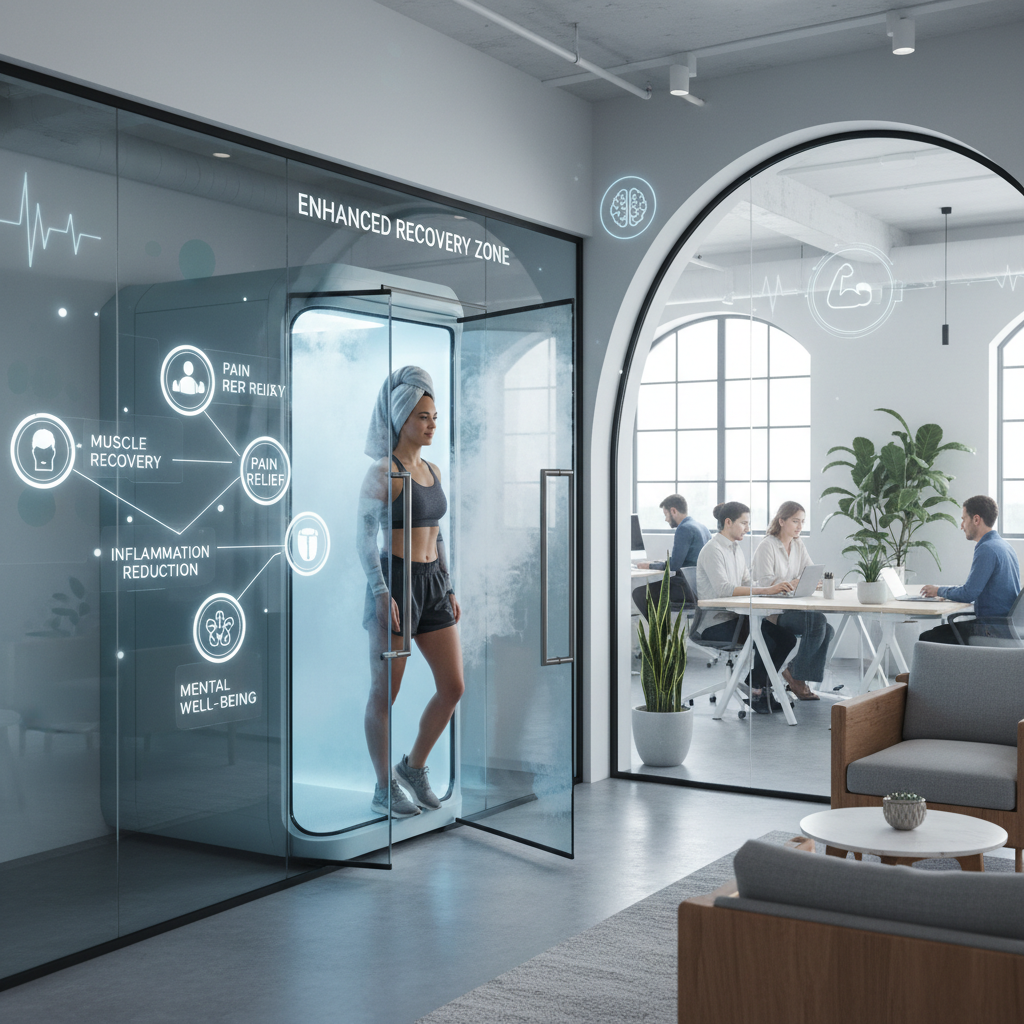
From an operational standpoint, choose vendor partners who provide staff training, insurance, and clear maintenance schedules. Don’t just drop a booth in the corner and hope for the best. Compliance and member education are key to keeping liability low and satisfaction high.
How can coworking operators implement cryotherapy without breaking the bank?
There are three practical approaches.
1) Partner model: Team up with a local cryotherapy clinic to deliver pop-up sessions once or twice a month. Low upfront cost. You get amenity credit; they get customer access. Pretty low risk, high reward.
2) Shared-cost model: Offer a subsidized membership perk—members pay a discounted rate while the workspace covers part of the fee. This nudges usage and gives you data on demand before investing in equipment.
3) On-site investment: Buy or lease a unit if your membership base exceeds 150 active members and wellness is central to your brand. Expect equipment, installation, and staff training costs, plus a dedicated room for privacy and safety.
In my experience, most spaces start with pop-ups, gather usage data, then move to on-site solutions once they hit consistent demand. It’s like test-driving a new coffee machine before installing a barista station.
What space, power, and scheduling considerations matter?
Space: You need a private room about 10 square meters for a single unit; for multiple units, more. Ventilation is critical because some systems require exhaust and climate control.
Power: Whole-body booths can require dedicated circuits. Plan for a certified electrician and a permit if needed. Vendors usually give exact specs—don’t guess.
Scheduling: Offer 15-minute slots with 2 to 3 minute session times. Build buffer slots for intake, consent forms, and cleaning. Members appreciate easy booking through your existing app or front desk. If your space has 1,200 bookings in a month, predictable access prevents friction.
How should you price cryotherapy sessions to maximize uptake?
Price based on perceived value and local market. Typical per-session retail in urban centers in 2026 runs from $40 to $70. For coworking members, consider $20 for a subsidized session or a bundled package of 6 sessions for $100. If you want honest numbers: put a low trial price for first-time users—like $15—and you’ll see conversion to regulars.
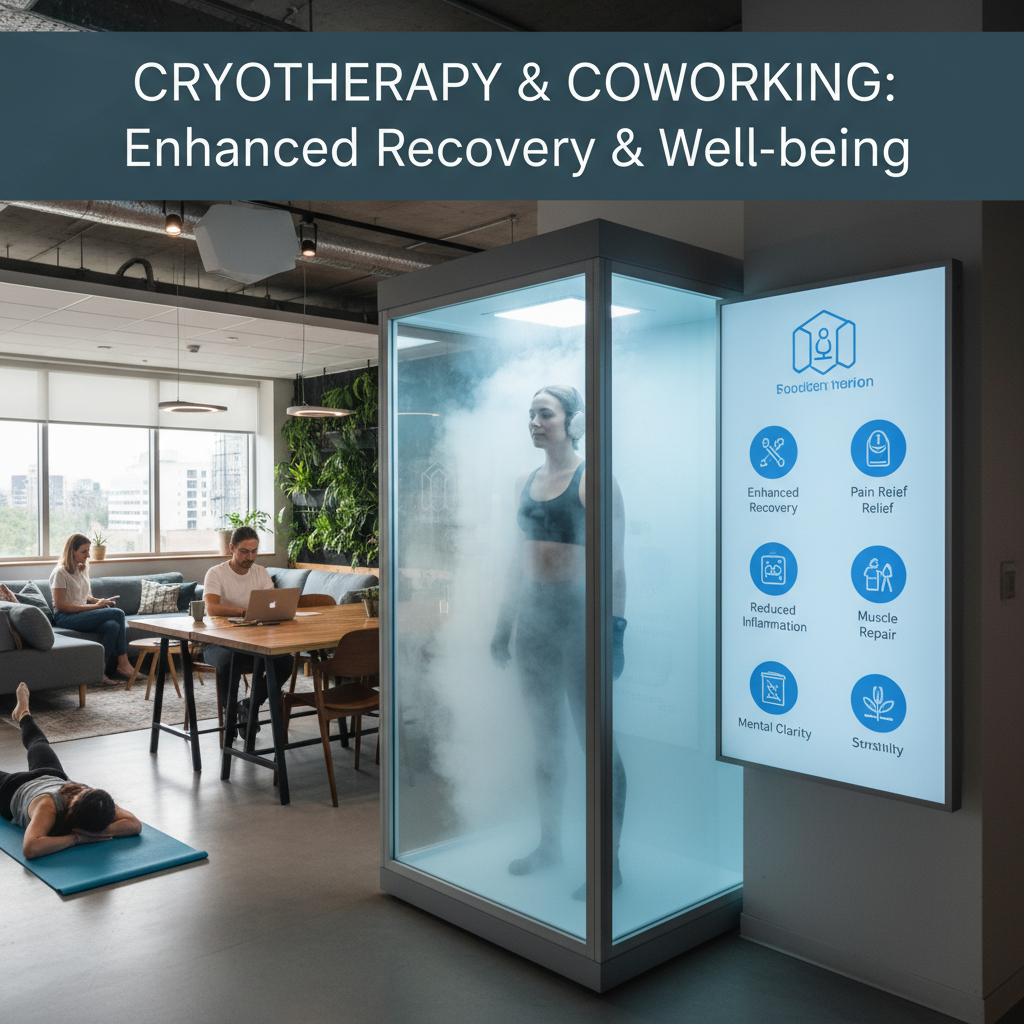
Packages and membership integration work best. Offer a fixed number of sessions in premium tiers and a discounted add-on for flexible members. People love predictability, and predictable revenue from bundles helps your ROI math.
How do you measure ROI and member satisfaction?
Track these KPIs: number of bookings per month, repeat users, membership churn rate among users vs non-users, and Net Promoter Score changes after launch. Also collect qualitative feedback: “Did it reduce your pain?” or “Did you feel more focused afterwards?”
One coworking operator I advised measured a 6 percent drop in churn among members who used wellness perks monthly and a 9 percent uplift in day-pass purchases. Numbers like that make investment conversations with stakeholders much simpler.
Frequently Asked Questions
How long are typical cryotherapy sessions?
Most whole-body sessions are 2 to 3 minutes long. Localized treatments can range from 3 to 10 minutes depending on the target area and device.
Can anyone use cryotherapy?
Not everyone. People with uncontrolled high blood pressure, certain cardiovascular conditions, or pregnancy should avoid whole-body cryotherapy. Always require a brief health screening and written consent before the first session.
Will cryotherapy damage skin or tissues?
No, when administered correctly. Technicians monitor exposure and maintain temperature limits. Localized frostbite risk is extremely low with trained staff and proper clothing protocols.
How soon will members feel benefits?
Many feel an immediate mental clarity boost right after the session. Pain relief and reduced inflammation often show up within 24 hours and can improve with repeated sessions over weeks.
Does cryotherapy replace physical therapy or medical treatment?
No. Cryotherapy is an adjunct, not a replacement. For serious injuries or chronic conditions, combine cryotherapy with professional medical care or physiotherapy.
Practical next steps for coworking teams
If you’re curious, start small. Book a pop-up with a certified provider for 4 sessions across a month, promote through your member channels, and monitor bookings and feedback. That pilot gives you real data—real users, real comments—so you can decide whether to subsidize, partner long-term, or invest in on-site equipment.
If this feels overwhelming, our team can handle vendor vetting, space planning, and rollout logistics. We’ll create member communications, set up booking flows, and ensure compliance with local health guidelines. That frees your staff to focus on community, not permits and maintenance.
Final thoughts
Cryotherapy isn’t a fad. It’s a targeted, evidence-aligned wellness tool that helps with recovery, pain relief, inflammation control, and mental clarity—especially useful in coworking environments where people need fast resets between meetings and long workblocks. Start with a low-risk pilot, gather straightforward metrics, and iterate. Your members will notice the difference, and you’ll likely see retention improve. That’s a win for health, productivity, and the bottom line.