
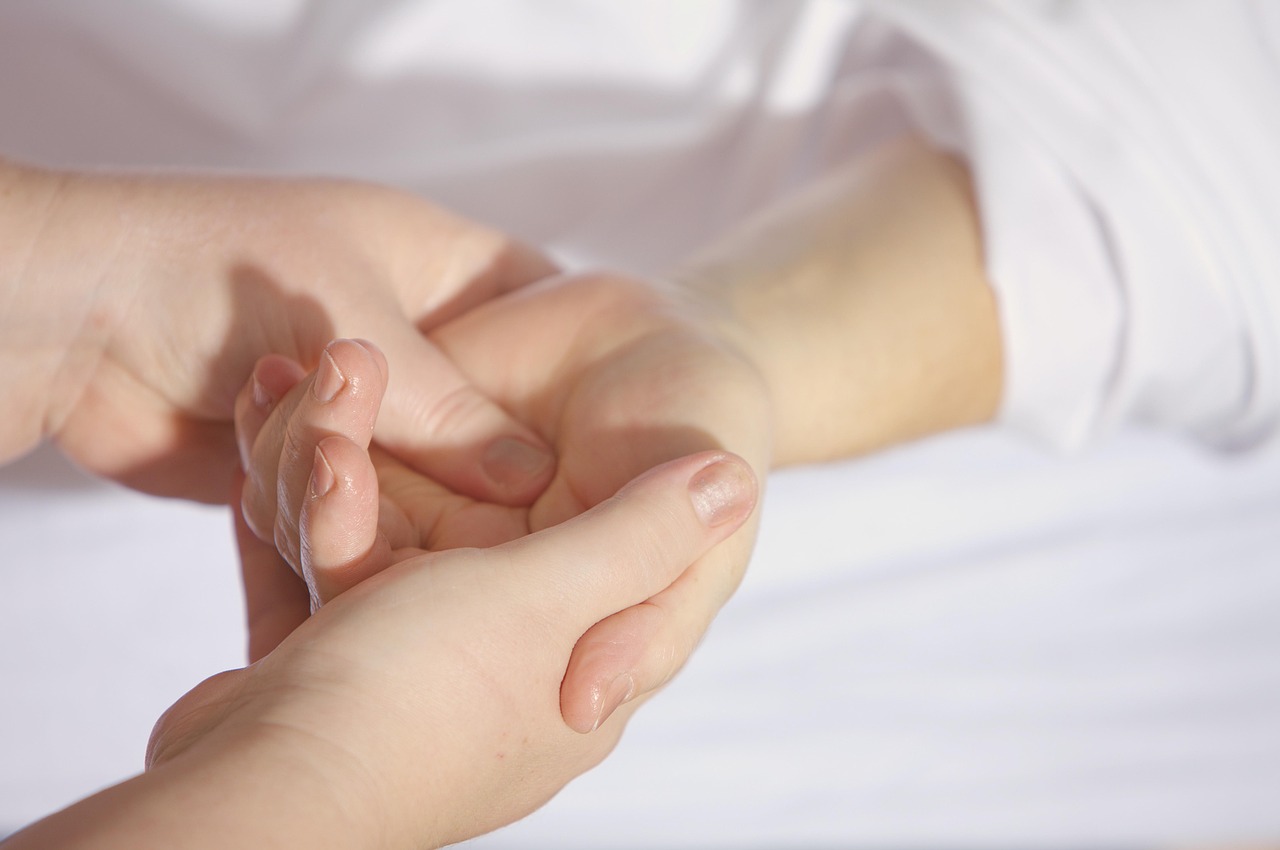
Workplace Wellness: Exploring the Benefits of Massage Therapy in Coworking Spaces
If you run or manage a coworking space and you’re watching members juggle deadlines, neck pain, and burnout, you’re not alone — many operators worry about retention and member health. The good news is that adding massage therapy programming can directly tackle stress relief, pain management, and productivity gaps, and our team helps you design low-cost, high-impact services that fit tight floor plans and busy schedules.
So here’s the thing about massage in coworking spaces: it’s not just a perk for private offices anymore. Coworking members pay for convenience, community, and the ability to get work done without pain or distraction. Massage checks all three boxes, if you implement it smartly.
Why bring massage therapy to coworking spaces?
Stress is a productivity killer. Chronic muscle tension leads to shorter focus sessions and more breaks, and that costs members time (and you money, because unhappy members churn). Massage therapy offers direct physiological benefits – increased circulation, reduced cortisol, and improved range of motion – and indirect benefits, like improved morale and better social vibes around shared amenities.
From what I’ve seen, an onsite massage option moves a coworking community from “nice to have” to “essential” for many freelancers, hybrid employees, and small teams. It’s like offering coffee, but for wellbeing (and without the jitters).
Key business outcomes massage can deliver
Think of massage as a utility: it supports stress relief, helps with pain management, and nudges productivity upward. Specific outcomes you can expect when executed well:
- Reduced reported stress among members after 15-minute chair sessions.
- Fewer complaints about back and neck pain, especially among members who sit more than eight hours a day.
- Higher member retention and increased bookings for private rooms when members perceive value-added services.
How does massage therapy reduce stress and improve focus?
Short answer: by interrupting the body’s chronic fight-or-flight signals and activating relaxation responses. Longer answer? Massage stimulates vagal tone (which calms the nervous system), lowers muscle tension, and can reduce the levels of stress hormones for a measurable period.
And yes, even 10 to 20-minute chair massages work. They target shoulders, neck, and upper back – the exact places tension shows up when someone’s been coding or in back-to-back meetings. After a quick session, people report clearer thinking, fewer interruptions, and better mood.
Which types of massage fit best in a coworking environment?
Not every modality belongs in an open-plan office. You want treatments that are short, non-invasive, and easy to run back-to-back. The most practical options:
- Chair massage – 10 to 20 minutes, fully clothed, portable chairs. High throughput.
- Express therapeutic massage – 25 to 30 minutes in a small private room for focused pain management.
- Stretch sessions and guided myofascial release – great for teams wanting a group wellness activity.
Private tables and longer treatments are fine if you have reserved rooms, but the math matters: one therapist can do four 15-minute chair sessions or two 30-minute table sessions in an hour. Pick the model that matches demand.
How to implement a massage program in your coworking space
Start simple. Run a pilot for 30 days. Book a licensed therapist for two full days and offer discounted sessions for members. Track participation and feedback. Why? Because pilots are low-risk and show real demand quickly.
Step-by-step rollout
- Choose the format: pop-up chair clinic, weekly 30-minute sessions, or on-demand bookings through your member app.
- Partner with vetted therapists or a local clinic (get liability insurance details and verify licenses).
- Create clear rules: consent forms, hygiene protocols, privacy for table sessions, session lengths, cancellation policy.
- Promote heavily during the first two weeks: email, signage, member Slack channels, and a short demo day (let members try a 5-minute taster).
- Collect metrics: number of sessions, NPS-style satisfaction, repeat bookings, and any reductions in complaints about pain or discomfort.
If this feels overwhelming, our team can handle it for you — from therapist sourcing to scheduling integration and compliance checks, we set everything up so you can focus on community.
How much does it cost and what’s the ROI?
Costs vary by market and format. Expect to pay a licensed therapist between $40 and $70 per 30-minute session in many US cities in 2026, sometimes less for contract rates or community-focused models. Chair pop-ups can be run as revenue-share with therapists, reducing upfront costs. You can also offer add-on passes in membership tiers to offset expenses.
ROI looks like improved retention, higher day-pass sales, and increased bookings for private offices. Track these KPIs during the pilot: if 12 members out of 100 buy a premium pass at $20 extra per month, that already covers a fair bit of program cost. And the intangible benefits — happier members, word of mouth, and social media buzz — are real. Really real.
Safety, privacy, and member comfort
Privacy matters. Even a short chair massage feels intimate to some people. Set boundaries: offer private rooms for table work, use screens for chair work when needed, and have therapists trained in workplace etiquette. Clear opt-in communication avoids awkwardness.

Also, don’t cut corners on hygiene. Clean linens, hand sanitizer stations, and clear policies about illness and cancellations are non-negotiable. Members will notice if you get this right.
Design tips for small spaces
Limited square footage? No problem. Use foldable massage chairs that store in a closet, schedule sessions during off-peak hours, or create a rotating wellness day once a week. Even a small corner with a sound machine and a chair makes members feel cared for.
One more thing: integrate bookings into your member portal. It reduces no-shows and looks polished. People want convenience; make it frictionless.
Measuring success
Simple metrics work best. Track these during your pilot and ongoing program:
- Number of sessions per week
- Repeat user percentage (aim for 30% or higher after a month)
- Member satisfaction scores after sessions
- Membership churn rate before and after program launch
Qualitative feedback is gold. Ask members what changed — “I can focus for 90 minutes now instead of 30” — those quotes sell the program internally and to prospects.
Real-world example (brief)
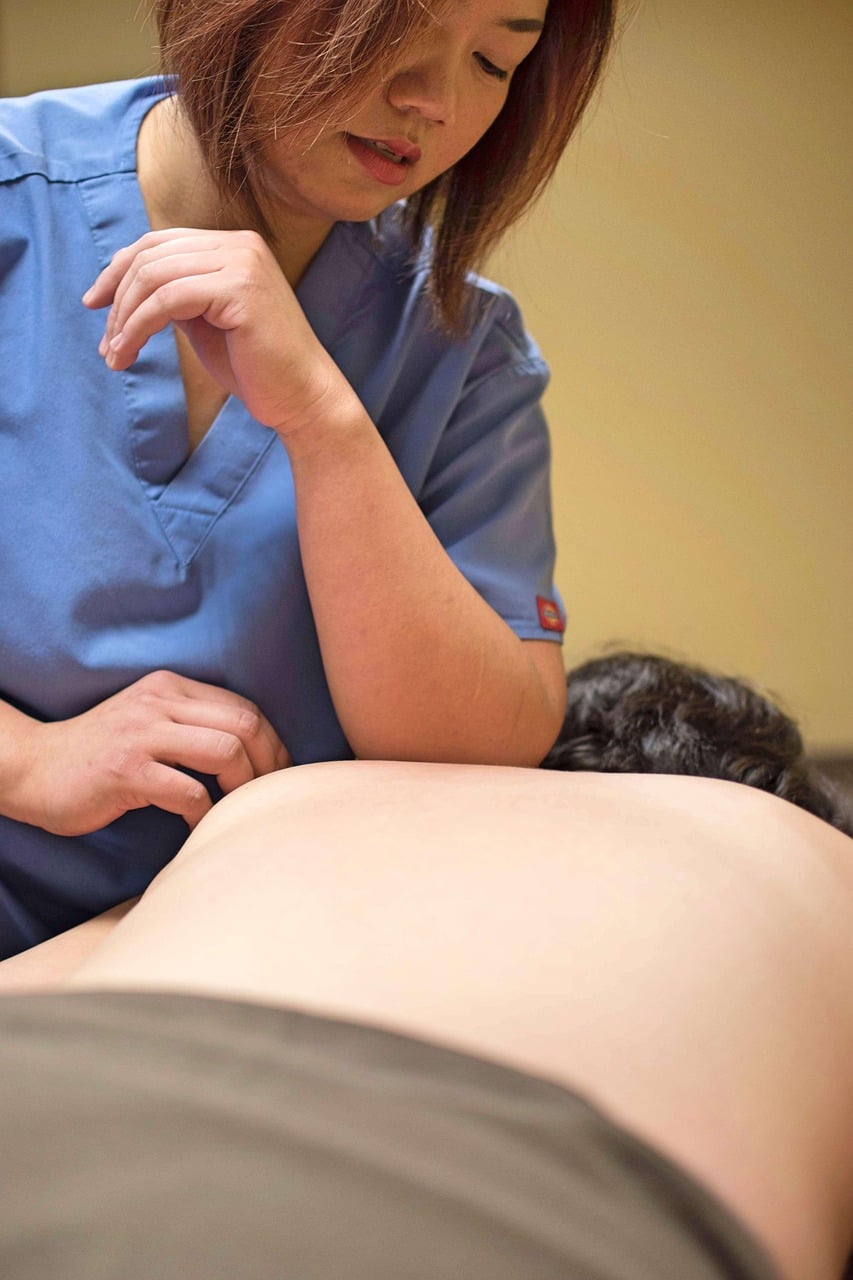
One coworking community I consulted with launched a weekly 2-hour chair massage pop-up. They offered discounted 15-minute sessions and a loyalty punch card. In three months, 87 members used the service, 32 bought an add-on pass, and the space saw a 7% reduction in month-to-month churn among members who used the massages. Small numbers, big impact. Proof that it can work without overhauling your operations.
Final thoughts
Massage therapy in coworking spaces is practical, evidence-backed, and increasingly expected by members who mix remote work with office days. It’s not a gimmick. When done thoughtfully — with the right formats, clear policies, and simple metrics — it becomes a retention engine and a genuine tool for workplace wellness.
Look, it’s not magic. But it’s close. If you want to pilot a program that pays for itself while making members healthier and more productive, start small, measure often, and iterate fast.
Frequently Asked Questions
Will massage therapy really improve productivity in a shared workspace? Yes, especially in short, targeted sessions. Members often report clearer focus and longer uninterrupted work periods after a 15 to 30-minute session. Track changes in self-reported focus and meeting cancellations to quantify impact.
How do I choose between chair massage and table massage? Choose based on space and throughput needs. Chair massage is compact, faster, and ideal for pop-ups. Table massage is better for deeper pain management but needs privacy and more room. One therapist can do roughly four 15-minute chair sessions or two 30-minute table sessions per hour.
What are the licensing and liability requirements? Always hire licensed therapists and request proof of insurance. Have a simple liability waiver and clear health-screening questions. Your legal or insurance advisor can confirm local requirements, but these steps are standard practice.
Can massage be offered as a free perk or should it be paid? Both models work. Free pop-ups can boost community goodwill and retention; paid or subsidized sessions help offset costs and can be structured as member add-ons. Pilot different price points to see what your members prefer.
How quickly should I expect results? You’ll see engagement within the first two weeks of a well-promoted pilot, and measurable effects on retention or satisfaction in one to three months. Keep collecting feedback and adjust session lengths, times, and formats accordingly.