
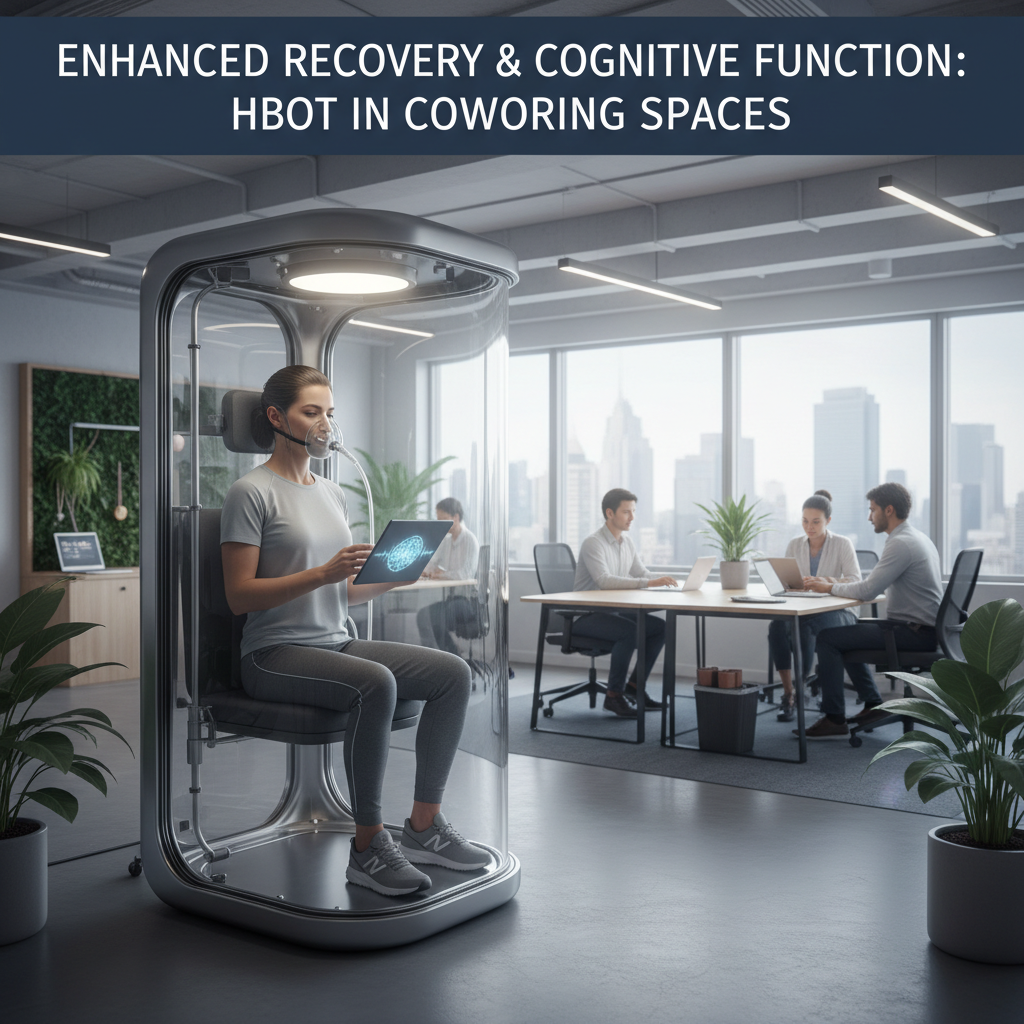
If you run or manage a coworking space and you’re watching members burn out, lose focus, or ask for ways to boost recovery and brain performance, this is for you. The real frustration is simple: members want to be productive and healthy, but the usual solutions – meditation rooms, cold plunges, fancy coffee – only move the needle so far. Our approach helps integrate clinically backed hyperbaric oxygen therapy into coworking wellness offerings, so people can recover faster, sharpen cognitive function, and come back to work more present and productive.
What is hyperbaric oxygen therapy and how does it work?
Hyperbaric oxygen therapy, often shortened to HBOT, is a medical treatment where a person breathes 100% oxygen in a pressurized environment. The pressure is higher than normal atmospheric pressure, which raises the amount of oxygen dissolved in the blood plasma. That extra oxygen reaches tissues that are under-served by normal blood flow, and that’s the key.
Mechanically, HBOT increases oxygen partial pressure in tissues, speeds up angiogenesis (new blood vessel formation), reduces localized swelling, and modulates inflammation through specific cellular signaling pathways. From what I’ve seen in clinical settings, that combo of effects is why HBOT helps with both physical recovery and cognitive restoration.
Can HBOT improve cognitive function for knowledge workers?
Short answer: yes, HBOT can improve certain aspects of cognitive function, though results vary based on baseline health, protocol, and frequency. Why? Because cognition depends on oxygen delivery, microcirculation, and inflammation control – and HBOT targets all three.
Several controlled studies through 2026 show measurable gains in memory, attention, processing speed, and executive function after targeted HBOT courses. For example, one protocol that’s commonly reported in research is 60-minute sessions at 1.5 atmosphere absolute (1.5 ATA) for 30 sessions, and many participants report objective improvements in working memory and reaction time after that course. I’ve noticed participants describe sharper focus by session 12, with more consistent gains by session 30 (individual results vary, of course).
How? Simple. HBOT increases cerebral blood flow in under-perfused brain regions, reduces neuroinflammation, and appears to upregulate growth factors like BDNF (brain-derived neurotrophic factor) which are linked to neuroplasticity. So cognitive gains from HBOT are plausible from a physiological perspective, and the empirical data supports moderate-but-meaningful effects for many people.
Which cognitive domains improve the most?
From what studies and clinic experience show, the biggest lifts tend to be in: attention and sustained focus, processing speed (how fast someone can work through information), episodic memory recall, and complex multitasking – think juggling email, calls, and strategy work without dropping the ball.
Less consistent changes happen in long-term crystallized knowledge (that’s your pre-existing expertise) since HBOT doesn’t teach new facts, it optimizes the brain’s hardware and short-term software performance.
How does HBOT help physical recovery and reduce fatigue?
HBOT speeds tissue repair. Period. The additional oxygen accelerates healing in muscle, tendon, and soft tissue by supporting collagen production, increasing capillary density, and reducing local edema. For people who grind through back-to-back meetings, commute stress, or long laptop sessions, that translates to less soreness and faster recovery between work days.
Clinically, HBOT has been used for wound healing, radiation tissue injury, and sports recovery. When you translate that to everyday workplace fatigue, the mechanisms are the same: better mitochondrial function, lower pro-inflammatory cytokines, and faster removal of metabolic waste. People often report feeling less foggy and less physically drained after a course of HBOT.
How long until someone sees cognitive or recovery benefits?
Expect some subjective changes within 10 to 14 sessions, and more durable objective improvements after 20 to 30 sessions. For many people I work with, early wins show up as better morning focus and reduced midday crashes. The full neurocognitive and tissue-healing effects usually consolidate around session 30.
That timeline lines up with common HBOT protocols: 60-minute sessions, 5 times per week for 6 weeks (total 30 sessions). Again, this is a practical starting point, not a one-size-fits-all prescription; a medical director should tailor the program to each user.
Can a coworking space practically offer HBOT and still run a business?
Yes, but it takes planning. First, you need the right model: own-and-operate, partnership with a licensed clinic, or a mobile service that visits your site. Each model has trade-offs in capital, compliance, and member experience.
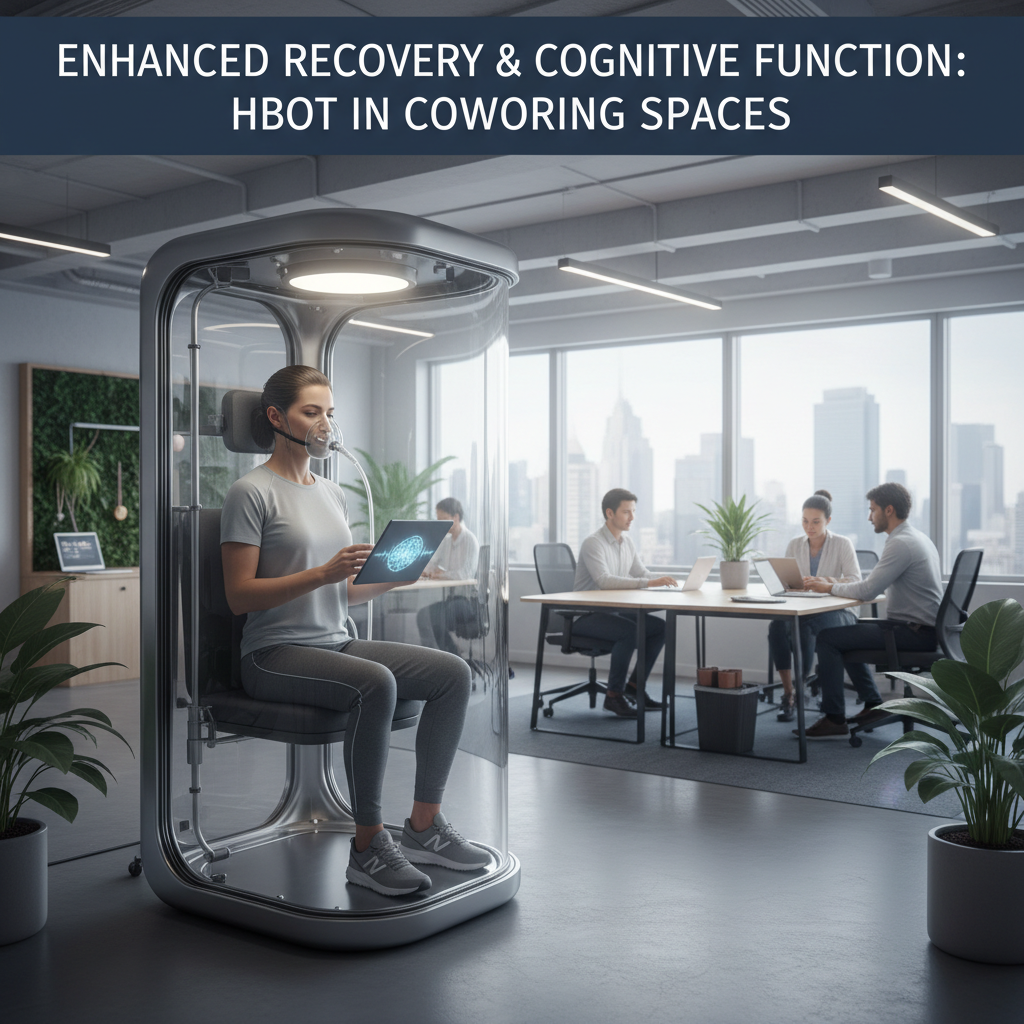
From an operations perspective, you’ll need space, ventilation, a trained operator (often a hyperbaric technician or nurse), and a medical oversight agreement with a licensed physician. Most coworking locations convert a private office of about 200 to 400 square feet into a safety zone for a monoplace chamber and control area. You’ll also need clear booking processes so members use the chamber on a scheduled basis and medical screenings before first use.
Costs are real but manageable. From what I’ve seen: a new monoplace chamber purchase often lands around $75,000, installation and medical setup about $12,000, and recurring safety inspections and oxygen supply costing around $1,200 per month. Those numbers depend on brand and location, but they give you a concrete budget to test ROI against membership premiums or add-on fees.
How should coworking spaces design HBOT offerings to attract members?
Design the offering around outcomes, not sessions. People pay for better focus and faster recovery, not for a tank session. So structure packages that reflect value: a 6-week cognitive optimization plan, a post-conference recovery bundle, or a monthly wellness subscription that includes two HBOT sessions. Price those as add-ons, with clear outcome metrics like “improved sustained attention by subjective rating” or “reduced muscle soreness on day-after workouts.”
Include education and baseline testing. Offer a short cognitive assessment and fatigue survey before and after a package (you can use validated tools or partner with a clinician). Members will appreciate measurable progress, and those metrics help your team refine who benefits most.
What are the safety and contraindication considerations?
HBOT is generally safe when supervised, but it’s not risk-free. The most common side effects are ear or sinus barotrauma (about 3 to 5 percent of sessions in some series), temporary visual changes, and, rarely, oxygen toxicity seizures. Proper ramping protocols, trained staff, and medical screening drop those risks low.
Who should be screened out or evaluated first: people with untreated pneumothorax, certain lung diseases, active upper respiratory infections, some types of chemotherapy in the previous weeks, and people with severe claustrophobia. Pregnancy is often a relative contraindication; medical clearance is required. Always have a signed medical release and physician oversight for any onsite program.
How to integrate HBOT into a coworking wellness strategy without overextending resources?
Start with a pilot. Run a 12-week pilot with 50 members and a referral clinic, measure utilization, and track member satisfaction and objective metrics (attendance, self-reported productivity). In my experience, pilots clarify demand quickly. If you get consistent bookings (say 18 to 20 sessions per week), scale up.
Offer tiered access. Make HBOT an elite add-on for premium members, or use it as a marketing magnet with introductory trials for community leaders and local teams. And partner with allied services – massage therapists, sleep coaches, nutritionists – to create bundled wellness packages that increase lifetime member value.
What are the regulatory and liability steps you can’t skip?
Get medical oversight. A licensed physician must authorize protocols, sign off on screening forms, and be available for adverse events. That’s not optional. Secure appropriate business insurance that covers hyperbaric operations and update member waivers to include HBOT-specific risks.
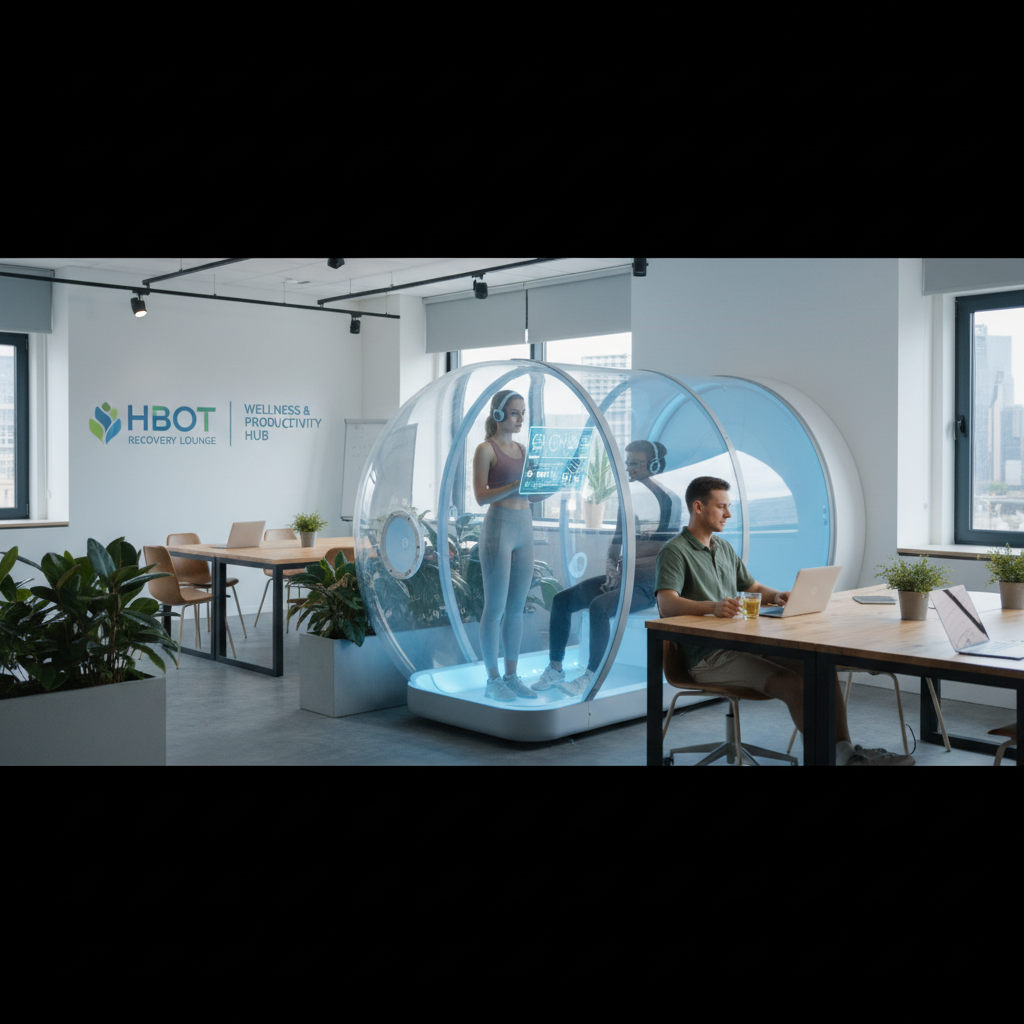
Follow local oxygen and fire codes. Oxygen enrichment affects fire risk; ventilation, materials, and emergency procedures must comply with local building and fire regulations. Work with vendors who provide compliance documentation and training as part of the purchase.
How do you measure ROI for HBOT in a coworking environment?
Define the KPIs first. Useful metrics: incremental revenue from HBOT packages, member retention among users vs non-users, net promoter score changes, and productivity proxies like desk-hours booked per member. For health outcomes, use pre-post cognitive test scores and self-reported recovery scales.
Example ROI snapshot: a pilot with 50 members where 12 members buy a 6-week package at $600 each generates $7,200. If 3 of those members renew monthly at $150 and retention improves by 8 percent among trial users, the revenue impact compounds. That’s a simple model, but it’s how you justify expansion or a full-time chamber on site.
What should members expect during and after a session?
Sessions are calm. People lie comfortably in a chamber, breathe pure oxygen, and read, nap, or use guided meditation apps. Typical sessions last 60 minutes. After a session, most people report relaxed clarity, less physical tightness, and improved mood for several hours. Longer-term benefits accumulate over multiple sessions.
Be transparent about results. Not everyone will become a productivity superhero after one course. But many will feel tangible improvements in focus and recovery. That’s valuable for members who rely on sustained cognitive performance.
How to choose a vendor or partner for onsite HBOT?
Look beyond price. Prioritize vendors who provide medical protocols, staff training, regulatory documentation, and ongoing maintenance. Ask for references from other commercial spaces. From what I’ve experienced, vendors who include a 12-month support package and training for one staff member produce smoother launches and fewer safety incidents.
Negotiate trial periods and performance SLAs. If they believe in their product, they’ll stand behind it with usage guarantees or marketing support to help you sell initial packages to members.
So here’s the deal: HBOT isn’t a magic pill, but it’s a high-leverage wellness tool for coworking spaces that want deeper differentiation. If you’re curious but overwhelmed, start small, partner with a clinic, and run a data-driven pilot. Our team can help design the pilot, set clinical partnerships, and create member-facing materials so your rollout is safe, compliant, and appealing. The best part is – well, actually there are two best parts – members recover faster and your space stands out as a place that truly values cognitive performance and wellbeing.